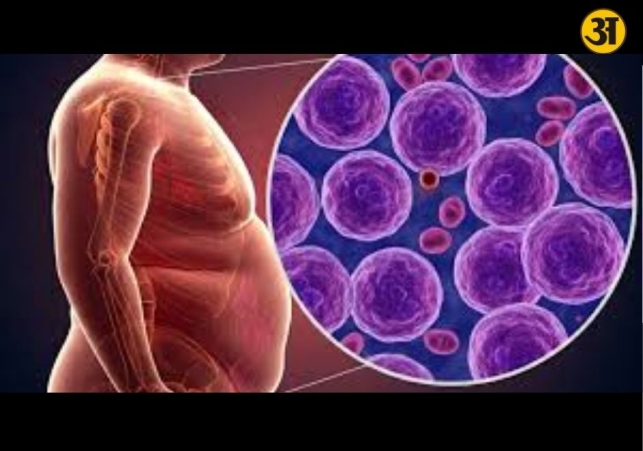
Experts explain the link between excess weight and several types of cancer
How obesity is increasing the risk of cancer worldwide
For many years, public health campaigns have focused on well-known cancer risk factors such as smoking, pollution and exposure to harmful chemicals. While these risks remain important, health experts say another major factor is quietly contributing to the rise in cancer cases around the world — obesity.
Obesity is widely known to increase the risk of conditions such as heart disease, high blood pressure and diabetes. However, researchers now say that excess body weight also plays a significant role in the development of several types of cancer.
Medical experts explain that obesity is not just about carrying extra weight. It is a complex biological condition that affects many processes inside the body. According to Dr Riddhijyoti Talukdar, Consultant in Radiation Oncology at HCG Cancer Centre in Borivali, body fat actively influences hormones, inflammation, immune function and cell activity. These changes can create an environment in the body that allows cancer cells to grow and spread more easily.
Health experts define obesity using a measure called Body Mass Index (BMI). A BMI of 30 or higher is considered obese. As obesity rates continue to rise across many countries, doctors are becoming increasingly concerned about its impact on future cancer cases.
Studies show that obesity is now considered one of the top three preventable risk factors for cancer worldwide, after smoking and certain infections. It is estimated that hundreds of thousands of new cancer cases each year are linked to high body weight.
How excess weight increases cancer risk
Body fat is not just stored energy. Fat tissue, also known as adipose tissue, acts like an active organ that releases hormones and chemical signals. When a person has excess body fat, these signals can change the body’s normal balance and affect how cells behave.
One important change involves hormone levels. Fat cells can produce estrogen, a hormone that plays a role in several body functions. Higher levels of estrogen in the body can increase the risk of certain cancers, especially breast cancer and endometrial cancer.
Another factor is chronic low-level inflammation. Obesity often causes ongoing inflammation in the body. This inflammation can damage healthy cells and create conditions that support the growth of cancer cells.
Obesity also affects how the body processes insulin, a hormone that controls blood sugar levels. When insulin levels remain high for long periods, it can encourage cell growth and division. While this process is normal for healthy cells, it may also help cancer cells grow faster.
ALSO READ: Jaishankar speaks with Iran and Oman as India pushes for diplomacy in Middle East crisis
ALSO READ: Iran warns US after warship Iris Dena sunk in Indian Ocean, 87 killed
In addition, high levels of insulin-like growth factor-1 (IGF-1) are often seen in people with obesity. This substance can stimulate cell growth and reduce the body’s ability to destroy abnormal cells. As a result, cancer cells may develop and spread more easily.
Research has shown that excess weight is linked to a higher risk of developing at least 13 different types of cancer. These include cancers of the breast, colon, rectum, oesophagus, uterus, endometrium, kidney, pancreas, liver and gallbladder.
The connection between obesity and cancer is particularly strong in cancers that are influenced by hormones. This is because increased hormone levels caused by body fat can directly affect the tissues involved.
Impact on cancer treatment and survival
Obesity does not only increase the risk of developing cancer. It can also affect how patients respond to treatment and their chances of survival.
Research suggests that around 4 to 8 percent of cancers worldwide are directly related to obesity. In addition, studies have shown that people with obesity may have a higher risk of dying from cancer compared to those with a healthy body weight.
There are several reasons for this. Excess body fat can affect how the body reacts to treatments such as chemotherapy, radiation therapy and surgery. It may also make treatment more complicated and slow down recovery.
Obesity is often linked with other health conditions such as diabetes, heart disease and high blood pressure. These conditions can make cancer treatment more challenging and increase the risk of complications during therapy.
Doctors also note that obesity may affect the immune system’s ability to detect and destroy abnormal cells. When the immune response is weaker, it becomes harder for the body to fight cancer effectively.
Despite these challenges, experts say there is still a positive message. Obesity is considered a modifiable risk factor, which means people can reduce their risk through lifestyle changes.
Healthy eating habits, regular physical activity and maintaining a balanced body weight can significantly lower the chances of developing obesity-related cancers. A diet rich in fruits, vegetables, whole grains and lean proteins can support overall health and help control weight.
Regular exercise is also important because it improves metabolism, reduces inflammation and helps regulate hormone levels in the body.
For people who struggle with severe obesity, medical guidance may be necessary. Doctors may recommend specialised weight management programmes, medications or other treatments to help reduce body weight safely.
Health experts emphasise that preventing obesity can play a major role in reducing future cancer cases. By focusing on healthy lifestyles and early prevention, individuals and communities can help lower the growing burden of obesity-related cancers around the world.
Understanding the link between excess weight and cancer is an important step toward protecting long-term health and improving survival outcomes for millions of people.
Related News